A Beginner’s Guide to All Things Cannabis
Apr 6, 2021 📙 11 min read
With adult-use and medical cannabis programs expanding—and hemp legalized at the federal level—interest in cannabis has surged across research, business, and consumer communities. For many people, the hardest part is simply knowing where to start. This beginner-friendly guide covers key terminology, a quick historical backdrop, cultivation basics, major use-cases (fiber, food, wellness), and the realities of regulation and market barriers.
Plant Terminology
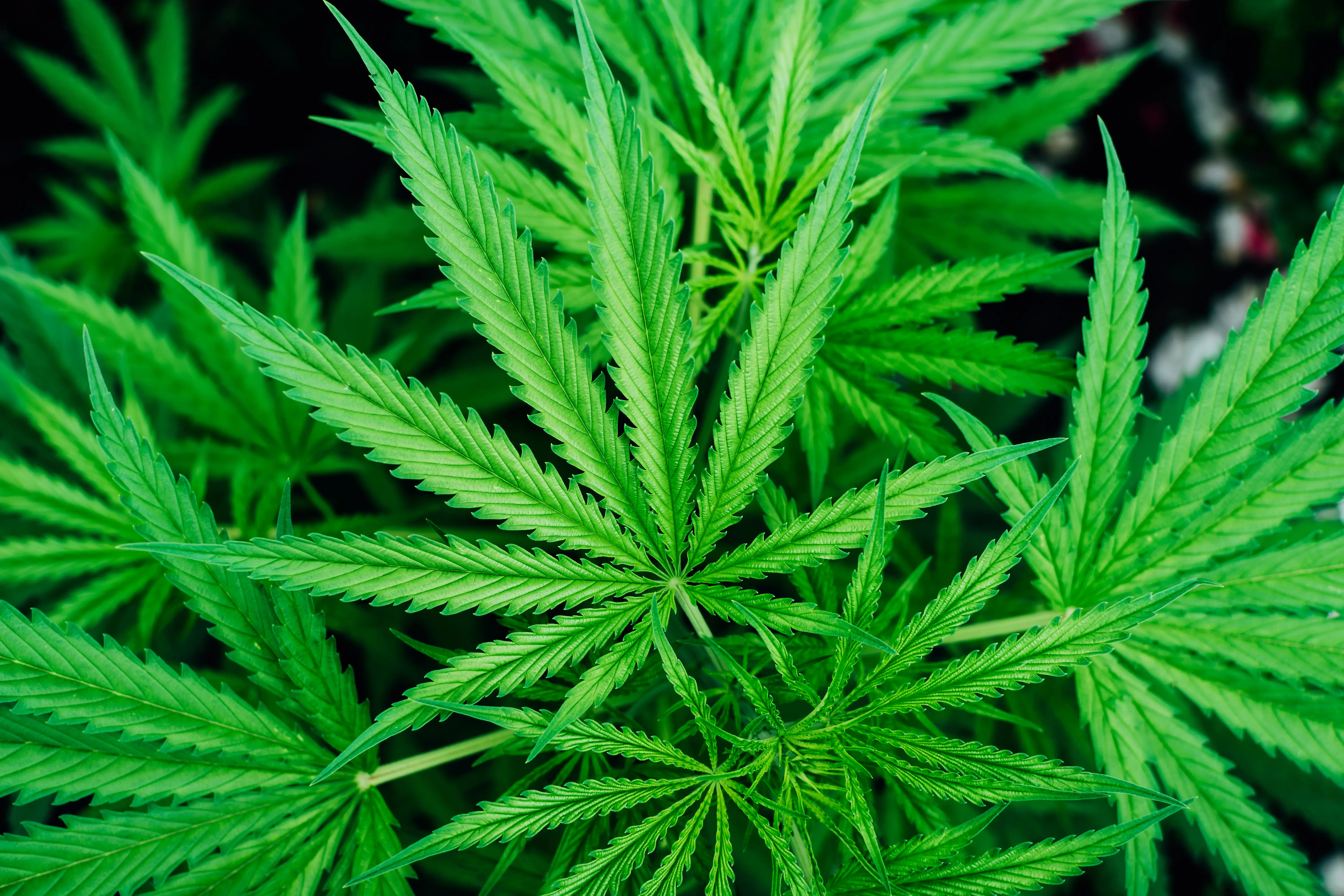
Cannabis sativa is commonly used as the scientific umbrella name for cannabis plants, including both high-THC and low-THC varieties. In everyday conversation, “hemp” typically refers to cannabis cultivated for industrial uses (fiber, seed, and CBD-rich flower that stays below the legal THC threshold), while “marijuana” is often used for high-THC flower and products.
You’ll also hear many slang terms—an artifact of decades of prohibition and cultural underground (Ganjapreneur, n.d.). Today, some industry professionals prefer “cannabis” over “marijuana” due to historical baggage and inconsistent usage, while others keep separate terms for clarity (Piomelli & Russo, 2016; Belville, 2016).
Another common debate involves “sativa” and “indica.” Many researchers argue these labels are poor predictors of effect because extensive crossbreeding has blurred genetic lines. A more accurate approach is often to focus on a plant’s chemical profile—its cannabinoids and terpenes—rather than leaf shape or growth habit (Piomelli & Russo, 2016).
History of the Plant
Human relationship with cannabis stretches back thousands of years. Pinpointing a single origin is difficult because cannabis spread widely and adapted to many regions. Evidence supports deep roots across Eurasia, with archaeological signals—including pollen and historical cultivation indicators—appearing in parts of Asia, including China (Hand et al., 2017; Zhang et al., 2018).
Researchers also propose that cannabis may have been one of the earliest domesticated multi-purpose crops due to its versatility: textiles, rope, food, and medicinal applications have all been associated with cannabis and hemp across history (Hand et al., 2017; ElSohly & Gul, 2014).
Cultivation Basics
Cannabis sativa is an herbaceous annual and is typically dioecious—meaning male and female flowers appear on separate plants—though some cultivars can express both (Andre, Hausman, & Guerriero, 2016). It is wind-pollinated and can grow in many climates outside of extreme arctic or desert environments.
When planning cultivation, the intended market matters most. “Industrial hemp” systems prioritize stalk and seed yields, while “floral hemp” (CBD-rich flower) or high-THC flower production requires greater attention to genetics, timing, and environmental controls.
Floral (Flower) Production
Flower cultivation focuses on trichome-rich female inflorescences. Growers typically remove or avoid males because pollination pushes females toward seed production, which can reduce flower quality and cannabinoid density. Flower crops require careful handling at harvest to avoid bruising and loss of trichomes.
Post-harvest drying and curing are critical. Temperature, humidity, and airflow determine dry time (often days to weeks depending on plant size and facility setup). Once moisture content is stable, flower or biomass is prepared for its next destination—packaging, extraction, or manufacturing.
Fiber and Seed Production
Fiber/seed hemp generally requires fewer inputs than high-value flower crops, making it approachable for new growers. Fields are often densely planted to encourage tall stalks and suppress weed competition. Both male and female plants are used, and harvest timing depends on whether the focus is fiber, seed, or dual-purpose.
For fiber, harvested stalks must be processed to separate usable fibers from the woody core. Retting (field retting or other methods) helps break down pectins so fibers can be separated efficiently. Two major fractions are typically discussed: bast fibers (outer bark) and hurd (inner woody core), each used for different applications.
A Multi-Purpose Crop
Fiber
Hemp fiber has been used historically for rope, textiles, and paper (Andre, Hausman, & Guerriero, 2016). Interest is rising again because hemp is renewable and can contribute to products such as textiles, bioplastics, and building materials (Adesina et al., 2020). Bast fibers are typically used for textiles and cordage, while hurd is used for construction composites and animal bedding.
Food
Hemp seeds are nutrient-dense and provide proteins and essential fatty acids. They can be eaten raw, milled into powders, or pressed into culinary oils. Ongoing research continues to explore how processing impacts stability, functionality, and potential health outcomes (Crichton-Stuart & Marengo, 2018; Leonard et al., 2019).
Phytoremediation
Hemp can act as a “phytoremediator”—a plant used to help remove or stabilize contaminants in soil. Phytoremediation leverages plant uptake and sequestration of certain pollutants, including some heavy metals (Greipsson, 2011). Hemp’s fast growth and robust root system make it a candidate for remediation projects, though harvested biomass from contaminated sites must be handled appropriately (Adesina et al., 2020).
Therapeutics and Phytochemistry
Cannabis contains hundreds of identified compounds, including cannabinoids, terpenes, and flavonoids—many concentrated in resinous trichomes (ElSohly & Gul, 2014). Cannabinoids often appear in the plant as acidic precursors (e.g., THCA, CBDA) and can transform with heat and time (Andre, Hausman, & Guerriero, 2016).
Terpenes contribute aroma and may play roles in plant defense and human experience. Research on terpene profiles and potential effects is growing, but conclusions vary by compound, dose, and context (Boyar, 2016).
The Endocannabinoid System
The endocannabinoid system (ECS) is a regulatory network found in mammals that helps modulate multiple physiological processes. Scientific breakthroughs in the 1990s and earlier work helped clarify why cannabis compounds interact with the body—through receptors, endogenous signaling compounds, and enzymes that create and break them down (De Petrocellis et al., 2009). ECS research continues to expand, with ongoing exploration into potential therapeutic pathways (Zou & Kumar, 2018).
Barriers to Entry
Even with hemp legalized in the U.S. in 2018, the industry faces significant hurdles. Costs include licensing, compliance, lab testing, and quality systems. In adult-use markets, federal illegality creates additional complexity for banking, insurance, interstate commerce, and investment.
Financial and Regulatory Realities
Each state can impose application fees, renewal fees, and compliance requirements across the supply chain. Banking and payment processing can remain challenging, and many operators struggle to access traditional financing (Caramela, 2020).
On the hemp-derived CBD side, the FDA has wrestled with how CBD should be regulated—especially given its status as an active ingredient in an approved pharmaceutical (U.S. Food and Drug Administration, 2020). On the cultivation side, USDA program rules have also created operational constraints (e.g., THC testing and harvest windows), shaping how growers plan and manage risk (Ritter Spencer, 2020).
Cultural Headwinds
Hemp is legally distinct from high-THC cannabis, but public confusion persists. The legal dividing line in the U.S. is typically defined by THC concentration (≤ 0.3% THC for hemp). Because hemp and high-THC cannabis can look similar during parts of the growth cycle, stigma and misunderstanding can remain barriers—especially for communities and markets new to cannabis reform.
Conclusion
Cannabis is a complex plant with a complicated history and a rapidly evolving marketplace. For consumers, learning the basics of terminology, cultivation, and phytochemistry can help make sense of product types and claims. For entrepreneurs and professionals, success depends on strong compliance practices, quality systems, and a clear understanding of state and federal dynamics. The industry is still maturing—and there’s plenty more to learn.
References
- Adesina, I., Bhowmik, A., Sharma, H., & Shahbazi, A. (2020). A Review on the Current State of Knowledge of Growing Conditions, Agronomic Soil Health Practices and Utilities of Hemp in the United States. Agriculture, 10(4), 1–15. https://doi.org/10.3390/agriculture10040129
- Andre, C. M., Hausman, J. F., & Guerriero, G. (2016). Cannabis sativa: The Plant of the Thousand and One Molecules. Frontiers in Plant Science, 7, 19. https://doi.org/10.3389/fpls.2016.00019
- Belville, R. (2016). Radical Rant: A Weed By Any Other Name Would Smoke As Sweet. Retrieved from https://hightimes.com/culture/radical-rant-a-weed-by-any-other-name-would-smoke-as-sweet/
- Bostwick, J. M. (2012). Blurred boundaries: The therapeutics and politics of medical marijuana. Mayo Clinic Proceedings, 87(2), 172–186. https://doi.org/10.1016/j.mayocp.2011.10.003
- Boyar, K. (2016). Beyond Aroma: Terpenes in Cannabis. Retrieved from https://www.sclabs.com/beyond-aroma-terpenes-in-cannabis/
- Caramela, S. (2020). How to Start a CBD Business. Retrieved from https://www.businessnewsdaily.com/15052-how-to-start-a-cbd-business.html
- Crichton-Stuart, C., & Marengo, K. (2018). 9 benefits of hemp seeds: Nutrition, health, and use. Retrieved from https://www.medicalnewstoday.com/articles/323037#health-benefits
- ElSohly, M., & Gul, W. (2014). Constituents of Cannabis sativa. In Handbook of Cannabis (pp. 3–22). New York: Oxford University Press.
- De Petrocellis, L., Grazia-Cascio, M., & Di Marzo, V. (2009). The endocannabinoid system: A general view and latest additions. British Journal of Pharmacology, 141(5), 765–774. (Original work published 2004.) https://doi.org/10.1038/sj.bjp.0705666
- Greipsson, S. (2011). Phytoremediation. Nature Education Knowledge, 3(10), 7. Retrieved from https://www.nature.com/scitable/knowledge/library/phytoremediation-17359669/
- Hand, A., Blake, A., Kerrigan, P., Samuel, P., & Friedberg, J. (2017). History of Medical Cannabis. In Cannabis: Medical Aspects (pp. 17–26). New York: Nova Biomedical.
- Leonard, W., Zhang, P., Ying, D., & Fang, Z. (2019). Hemp seed in food industry: Nutritional value, health benefits, and industrial applications. Comprehensive Reviews in Food Science and Food Safety, 19(1), 282–308. https://doi.org/10.1111/1541-4337.12517
- Marijuana Slang. (n.d.). Retrieved from https://www.ganjapreneur.com/marijuana-slang/
- Piomelli, D., & Russo, E. B. (2016). The Cannabis sativa Versus Cannabis indica Debate: An Interview with Ethan Russo, MD. Cannabis and Cannabinoid Research, 1(1), 44–46. https://doi.org/10.1089/can.2015.29003.ebr
- Ritter Spencer. (2020). Six Problems with the USDA’s Interim Hemp Program Rules. Retrieved from https://ritterspencer.com/six-problems-with-the-usdas-interim-hemp-program-rules/
- Zhang, Q., Chen, X., Guo, H., Trindade, L. M., Salentijn, E., Guo, R., Guo, M., Xu, Y., & Yang, M. (2018). Latitudinal Adaptation and Genetic Insights Into the Origins of Cannabis sativa L. Frontiers in Plant Science, 9, 1876. https://doi.org/10.3389/fpls.2018.01876
- Zou, S., & Kumar, U. (2018). Cannabinoid Receptors and the Endocannabinoid System: Signaling and Function in the Central Nervous System. International Journal of Molecular Sciences, 19(3), 833. https://doi.org/10.3390/ijms19030833