Bergamot Adulteration
Apr 5, 2021 📙 1 min readBergamot is mainly produced for the essential oil industry. Since limited quantities are available per season, bergamot oil is often adulterated. Dr. Satyal classifies adulteration by degree of sophistication.
1st degree: The first degree of adulteration is the simplest. Carrier oils, cooking oils, castor oils, or nut oils are added into an oil to dilute it. Dilution is fairly easy to detect.
2nd degree: The second degree of adulteration is the addition of synthetics from petrochemical sources such as linalool or linalyl acetate.
3rd degree: Natural synthetics, such as linalyl acetate from ho wood, terpineol-alpha from limonene, gamma terpinene from alpha-pinene, or myrcene from alpha-pinene are used to create a faux bergamot oil.
4th degree: Isolates such as linalool from ho wood, basil, or lavender are added to create a fake oil. Linalyl acetate can also be obtained from petitgrain or clary sage. Fractionally extracted isolates can be added to a bergamot oil that is not up to ISO standards.
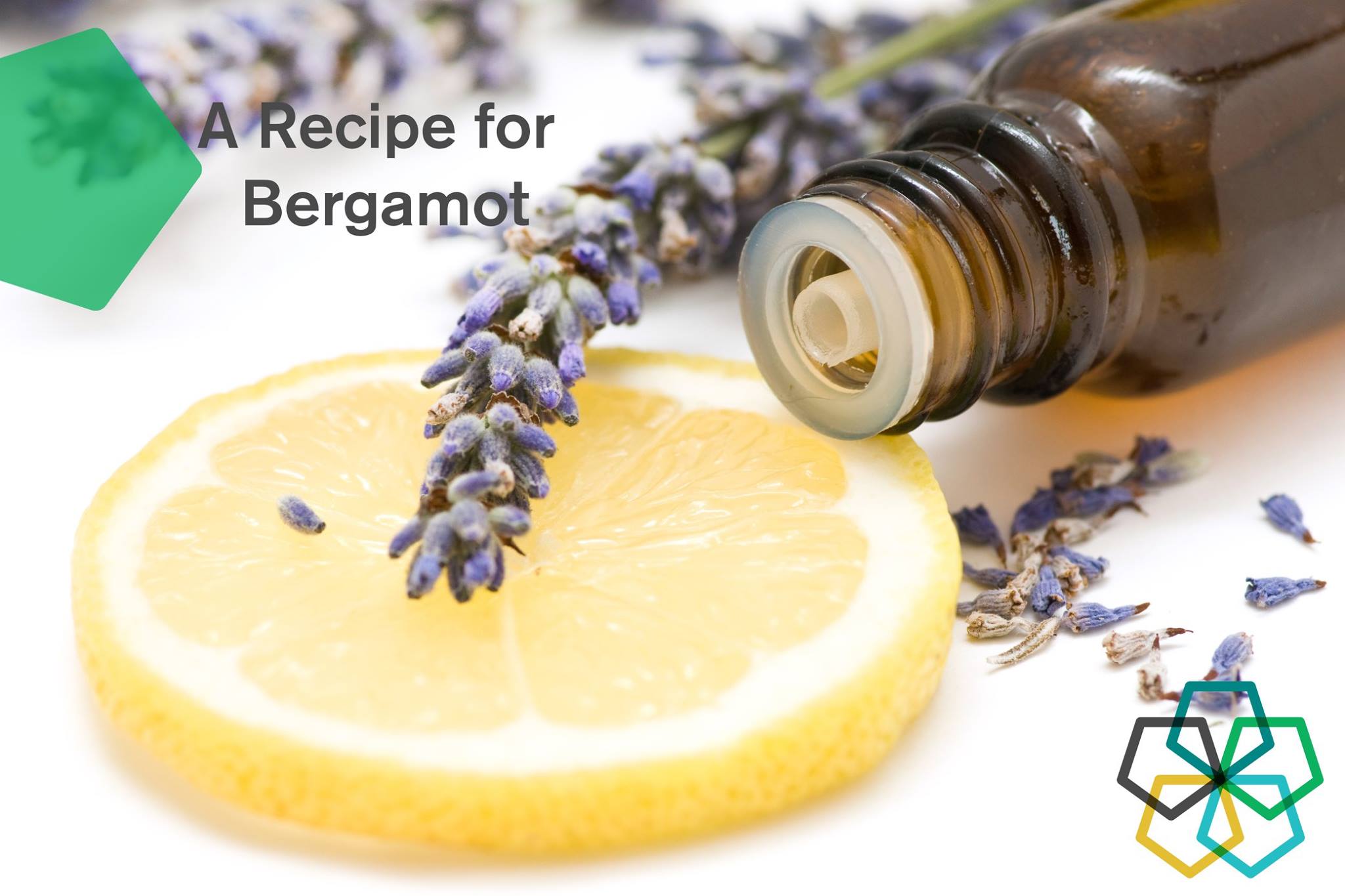
5th degree: Similar oils such as orange, grapefruit, lemon, rosewood and bergamot mint can be used as a base to create bergamot oil. Lavender and lemon together have a similar makeup to bergamot and can be used to make bergamot oil.