Cannabinoids vs. Cannabimimetic Compounds
May 19, 2021 📙 3 min read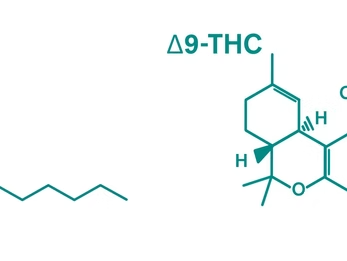
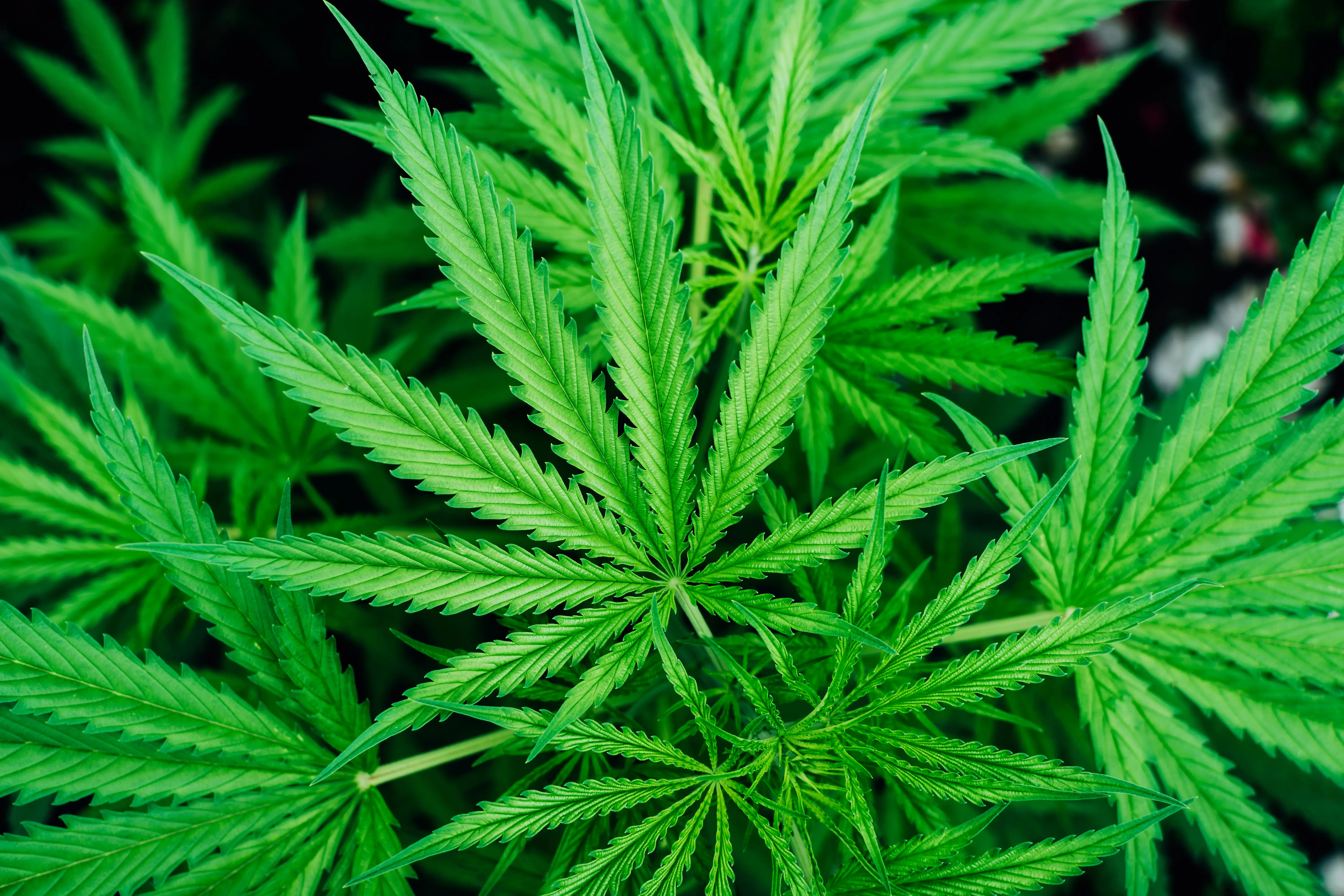
Cannabinoids are a family of compounds best known from the cannabis plant, but the story is bigger than cannabis alone. Broadly, cannabinoids (and cannabinoid-like compounds) can influence the endocannabinoid system (ECS) by interacting with receptors and enzymes involved in maintaining balance across many body processes.
Two major cannabinoid categories are commonly discussed: endocannabinoids and phytocannabinoids. Endocannabinoids are lipid signaling molecules your body produces “on demand,” where they’re needed. Two of the most studied are anandamide (AEA; N-arachidonoylethanolamine) and 2-AG (2-arachidonoylglycerol). These messengers help regulate systems involved in appetite, mood, memory, and pain signaling.
Phytocannabinoids are cannabinoids produced by plants—most famously, cannabis. They are synthesized in glandular trichomes where resin accumulates alongside terpenes and other constituents. In the living plant, many phytocannabinoids exist primarily in acidic forms (for example, CBDA rather than CBD). With time, heat, or light, decarboxylation removes a carboxyl group, converting acidic cannabinoids into their neutral counterparts—one reason processing and use method can shape the final chemical profile.
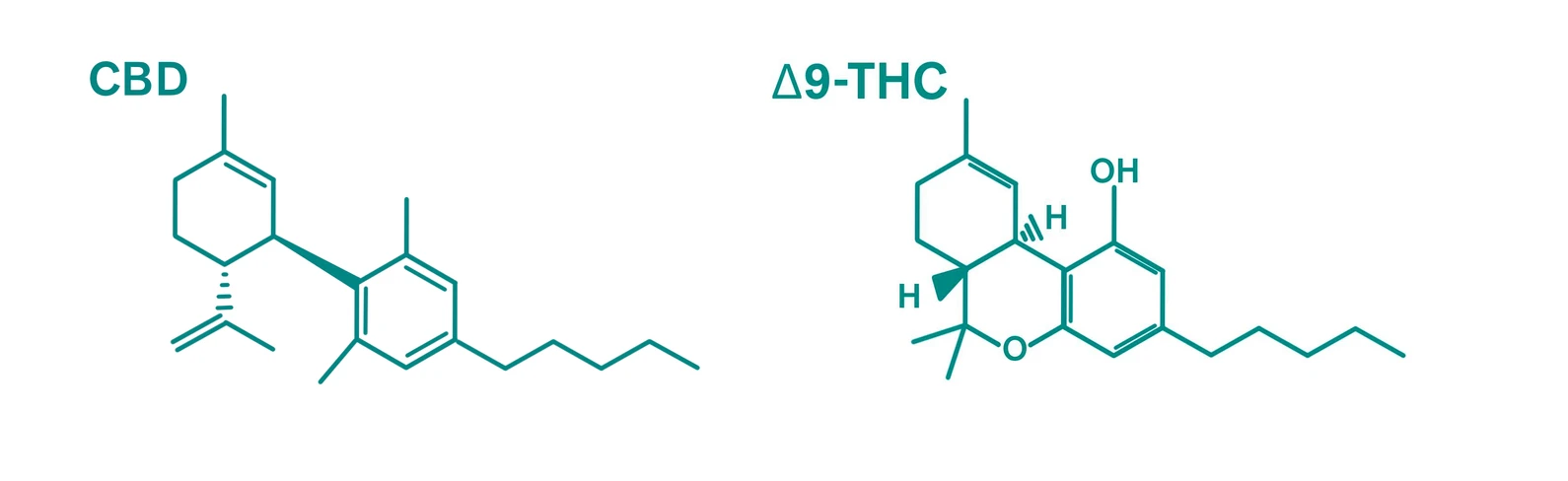
THC and CBD are the best-known phytocannabinoids. THC is strongly associated with psychoactivity because it can activate CB1 receptors in the central nervous system. CBD does not produce the same intoxicating effect and is often discussed for broader modulatory activity rather than direct CB1 activation. As research expanded beyond THC and CBD, scientists began exploring other plants for compounds that can “behave like” cannabinoids—leading to the idea of cannabimimetic compounds.
Cannabimimetic compounds are non-cannabis molecules that can influence parts of the ECS (or ECS-adjacent targets) in cannabinoid-like ways. This can happen through binding cannabinoid receptors, altering endocannabinoid levels, or interacting with related pathways that “talk” to the ECS. A few published examples include trace cannabinoid-like constituents reported in certain non-cannabis species, and perhaps the most widely cited dietary example: β-caryophyllene, a sesquiterpene found in many aromatic plants, which has been shown to bind CB2 receptors.
This area of study highlights two big takeaways: (1) the ECS is deeply interconnected with other signaling systems, and (2) cannabis isn’t the only botanical source of compounds that can influence ECS biology. As research grows, we may better understand how different plant chemistries support different outcomes—and why “cannabinoid-like” isn’t limited to cannabinoids alone.
References
- Chicca, A., Schafroth, M. A., Reynoso-Moreno, I., Erni, R., Petrucci, V., Carreira, E. M., & Gertsch, J. (2018). Uncovering the psychoactivity of a cannabinoid from liverworts associated with a legal high. Science Advances, 4(10), 1–10. Link
- Gertsch, J., Leonti, M., Raduner, S., Racz, I., Chen, J. Z., Xie, X. Q., Altmann, K. H., Karsak, M., & Zimmer, A. (2008). Beta-caryophyllene is a dietary cannabinoid. Proceedings of the National Academy of Sciences of the United States of America, 105(26), 9099–9104. Link
- Gertsch, J., Pertwee, R. G., & Di Marzo, V. (2010). Phytocannabinoids beyond the Cannabis plant – do they exist? British Journal of Pharmacology, 160(3), 523–529. Link
- McPartland, J. M., Guy, G. W., & Di Marzo, V. (2014). Care and feeding of the endocannabinoid system: A systematic review of potential clinical interventions that upregulate the endocannabinoid system. PLoS One, 9(3). Link
- Russo, E. B. (2019). The Case for the Entourage Effect and Conventional Breeding of Clinical Cannabis: No “Strain,” No Gain. Frontiers in Plant Science, 9. Link