Different Cultivation Methods of Cannabis
May 10, 2024 📙 2 min read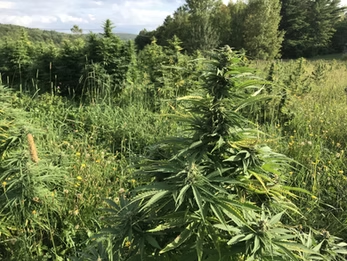
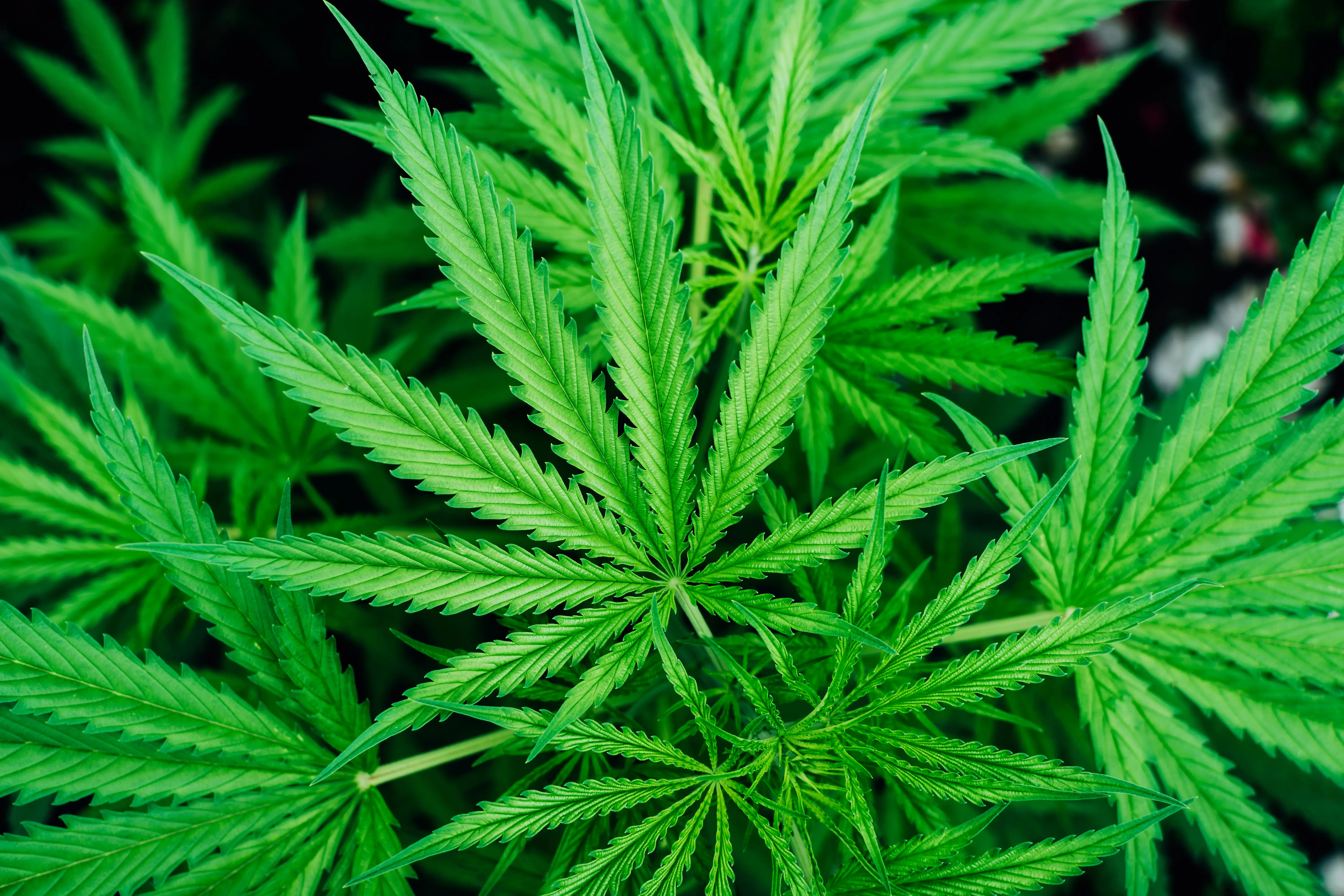
It is theorized that cannabis was domesticated by humans thousands of years ago. From its origins in Central Asia—possibly including the Himalayan foothills—people have long been fascinated by this plant and the many uses we can derive from it (Piomelli & Russo, 2016). Researchers suggest early cultivation focused on fibrous stalks and nutritious seeds, with psychoactive discovery coming later (Lawler, 2019).
Today, cannabis (and hemp) can be grown in a variety of environments and cultivation styles. While the plant is capable of robust growth, modern flower production—especially for trichome-rich cultivars—benefits from attentive management. Light schedules, temperature swings, nutrient imbalances, and pest/disease pressure can quickly disrupt a crop. With basic knowledge and consistent observation, however, growers can set up an environment that encourages healthy growth and high-quality flowers.
Compared to high-THC cannabis, hemp is most commonly grown outdoors. Indoor hemp is possible, but less common, largely because hemp is federally legal in the United States (subject to state regulations). Regardless of location, the plant’s fundamental needs remain the same: an appropriate light cycle (vegetative vs. flowering), balanced nutrition, proper watering, and (when needed) effective pest and disease management. This blog focuses on the major cultivation approaches and growing media used in the floral hemp market.
Indoor vs Outdoor
Choosing an indoor or outdoor approach depends on budget, experience, and available space. Flower-focused cultivation aims for abundant blooms laden with trichomes, which typically requires more oversight and skill than fiber or seed crops. Indoor environments offer the most flexibility because growers can control nearly every variable—making room for a wider range of methods and systems.
Many growers start plants indoors and transplant outdoors to finish the season. Starting inside improves germination and survival, especially compared with direct sowing, where competing vegetation and insects can overwhelm seedlings. Crop size also matters: seeds and clones can begin in a small footprint, but plants must be moved into their final grow space at the right time to avoid stress and losses.
Indoor options commonly include container gardening with soil or soilless media, as well as hydroponic and aeroponic systems. Outdoors, growers typically plant directly in the ground or use containers. Each path has advantages and tradeoffs, so matching method to budget and experience is key.
Soil
Sun and soil remain the most traditional cultivation pairing. To grow quality hemp flowers in soil, a few fundamentals matter: a workable structure (not compacted), good aeration, and a supportive nutrient profile. Hemp tends to perform best in a pH range around 6–7. While it may survive outside that range, flower quality often suffers.
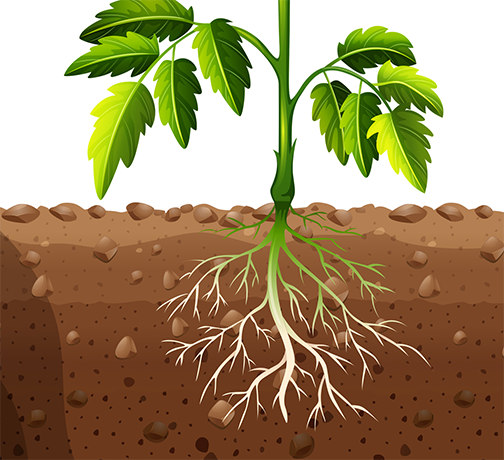
Soil must drain well; cannabis doesn’t like “wet feet.” Roots need oxygen, and overly saturated soil can become anaerobic, effectively suffocating the plant. Organic matter helps supply nutrients and supports healthy root zones. However, many indoor growers avoid mineralized outdoor soil in containers due to drainage challenges, contamination risks, and variability (Williams, 2019). Instead, they often blend peat moss, coconut coir, perlite, and compost, plus additional organic amendments.
Containers outdoors can also solve site-specific issues—poor native soil, compaction, contamination, or suboptimal texture. Soil-based growing is relatively forgiving: minor missteps with watering or feeding can be buffered more than in water-based systems. Still, soil has downsides, including potential pest pressure, contamination concerns, slower growth compared to hydro/aero, and cost (especially when scaling amendments and media).
Hydroponics / Aeroponics
Hydroponics is a widely used method that grows plants without soil by delivering nutrients through water. Plants are supported by substrates like rockwool or clay pellets while nutrient solution feeds the root zone. Hydro systems can produce fast growth and large yields with efficient water and nutrient use, but they require tighter controls and more equipment.
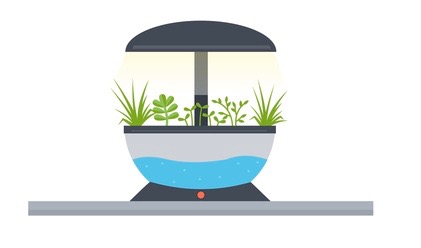
A typical setup includes grow lights, nutrient solutions, a reservoir, containers and substrate, pumps/irrigation, and reliable electricity. Growers can choose different system styles (e.g., deep water culture, nutrient film technique, and others). Hydroponics can reduce soil-borne pests and diseases, and it can be deployed in greenhouses—and sometimes outdoors—if power and monitoring are reliable.
The tradeoff is sensitivity: nutrient strength, pH, and water temperature must be managed closely. Mistakes can cause rapid damage (root burn, stunting, disease). Power stability is also critical; system failures can escalate quickly.
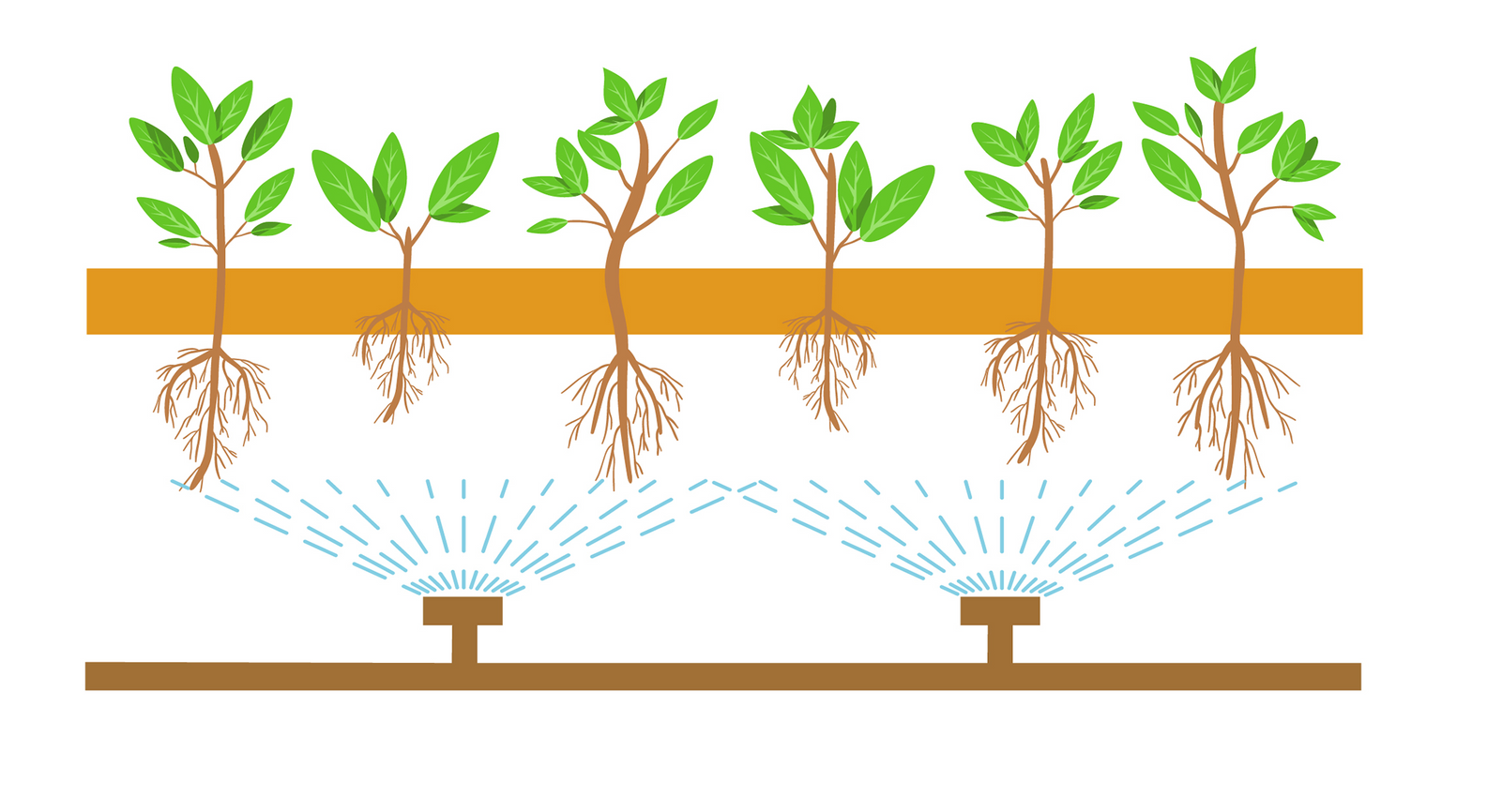
Aeroponics takes the concept further by suspending roots in air and misting them with nutrient solution. This can reduce water use (often cited as 20–40% less than some hydro methods), maximize oxygenation, and speed growth—while still supporting excellent flower quality. Aeroponics also benefits from lower soil-borne pest pressure, but it depends on constant power and precise equipment. Initial costs and learning curve can be higher; however, faster production cycles may help offset startup expense.
A Grower’s Choice
As the hemp industry evolves, cultivation techniques will continue to expand. There is no single best method: genetics, region, scale, budget, and grower experience all influence what “works.” Many cultivators experiment across approaches to learn what produces the best results for their operation. These plants want to thrive—give them consistency and attention, and they’ll reward you at harvest.
References
- Thayer, J. (2019). Hemp in a field [Photograph]. Heady Vermont. https://headyvermont.com/hempfest-sub/2019-hemp-fest-gallery/
- Aeroponic Systems. (n.d.). Retrieved from https://hydrobuilder.com/hydroponics/complete-hydroponic-grow-systems/aeroponics.html
- Clarke, R., & Merlin, M. (2013). Ethnobotanical Origins, Early Cultivation, and Evolution through Human Selection. In Cannabis: Evolution and Ethnobotany (1st ed., pp. 29–58). Berkeley: University of California Press.
- Guidelines for Cannabis and Hemp Cultivation in Hydroponics Facilities. (n.d.). Retrieved from https://cannabisgxp.com/2019/04/29/guidelines-for-cannabis-and-hemp-cultivation-in-hydroponic-facilities-2/
- Klibaner, B. (2019, July 30). Why Growing With Hydroponics Is Better Than Soil. Retrieved from https://www.leafly.com/news/growing/opinion-why-growing-hydroponics-is-better-than-soil
- Lawler, A. (2019). Oldest evidence of marijuana use discovered in 2500-year-old cemetery in peaks of western China. https://www.sciencemag.org/news/2019/06/oldest-evidence-marijuana-use-discovered-2500-year-old-cemetery-peaks-western-china
- Piomelli, D., & Russo, E. B. (2016). The Cannabis sativa Versus Cannabis indica Debate: An Interview with Ethan Russo, MD. Cannabis and Cannabinoid Research, 1(1), 44–46. https://doi.org/10.1089/can.2015.29003.ebr
- Williams, P. (2019, December 19). 3 tips for selecting growing media for cannabis. Retrieved from https://www.greenhousemag.com/article/production-3-tips-for-selecting-growing-media-for-cannabis/
- Youngblood, T. (2020, March 20). Aeroponics 101. Retrieved from https://www.cannabistech.com/articles/aeroponics-101/