The History of Lavender
June 16, 2021 📙 1 min read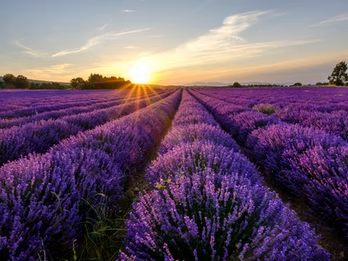
Lavender has been cultivated for centuries, and its reputation has shifted with culture, fashion, and medicine. From ancient ritual use to modern-day fragrance and cleaning aisles, lavender has kept a steady place in human history.
One of the earliest well-known uses of lavender traces back to Ancient Egypt, where fragrant botanicals were valued for cosmetics and burial traditions among the wealthy. Later, classical writers and physicians recorded lavender’s traditional applications, and it appeared in early lists of medicinal plants used across the Mediterranean world.
In medieval Europe, lavender was closely tied to monastery gardens. Religious communities cultivated herbs and flowers both for practical household needs and for early herbal preparations. Over time, lavender farming expanded beyond monastic settings, and regions near London—especially Mitcham—became well known for production.
During the Renaissance and into the early modern period, lavender was commonly associated with cleanliness and protection, and it became an increasingly familiar household scent. In the 1800s, lavender surged in popularity in England—famously enjoyed in elite society—showing up in everything from personal fragrance to home products.
By the early 20th century, lavender’s “everywhere” status briefly made it feel old-fashioned in some circles. But in recent decades it has returned in a major way, driven by the growth of modern perfumery trends, aromatics, and especially the global interest in essential oils and home-care products.
A helpful snapshot of lavender’s modern resurgence is covered in this New York Times piece: https://www.nytimes.com/2019/09/14/style/lavender.html